



Is Tap Water Causing My Dry Skin? A 2026 Guide

Table of Contents
- How Hard Water Affects Your Skin
- Signs of Hard Water on Your Skin
- How to Test Your Water Hardness at Home
- How to Get Rid of Dry Skin from Hard Water
- Using a Shower Filter for Skin Health
- Water Softener for Dry Skin: Whole-Home Solutions
- When to See a Dermatologist
- Frequently Asked Questions
Last Updated: October 18, 2026
How Hard Water Affects Your Skin
Hard water contains high levels of calcium and magnesium minerals. When these minerals mix with soap and cleanser, they create a sticky residue that clings to your skin instead of rinsing away cleanly, and this is tap water causing my dry skin.
This residue is the real culprit behind is tap water causing my dry skin. It builds up on your skin's surface and traps moisture inside while blocking your skin's natural oils from doing their job. The result: tight, uncomfortable skin that feels rough and looks dull.
Calcium, Magnesium, and Mineral Buildup
Hard water minerals don't dissolve easily. They accumulate on your skin after every shower or face wash. Over time, this mineral film interferes with your skin barrier, the protective layer that keeps water in and irritants out.
Your skin barrier contains natural ceramides and fatty acids. These keep moisture locked in. When hard water minerals coat your skin, they prevent these natural oils from functioning properly. Your skin can't retain hydration the way it should.
Think of it like a film over your skin. It's not visible, but it's there. This mineral buildup also makes it harder for moisturizers to penetrate and do their job effectively.
Soap Residue and Rinsing Difficulty
The real problem starts in the shower. Hard water prevents soap from lathering fully. When soap doesn't lather, you use more of it to feel clean. But hard water minerals trap that extra soap on your skin.
Rinsing becomes nearly impossible. You can stand under running water, but the soap residue stays put. This trapped cleanser irritates your skin and disrupts your skin barrier.
Soft water, by contrast, allows soap to rinse away completely. Your skin feels clean without the residual film.
Signs of Hard Water on Your Skin
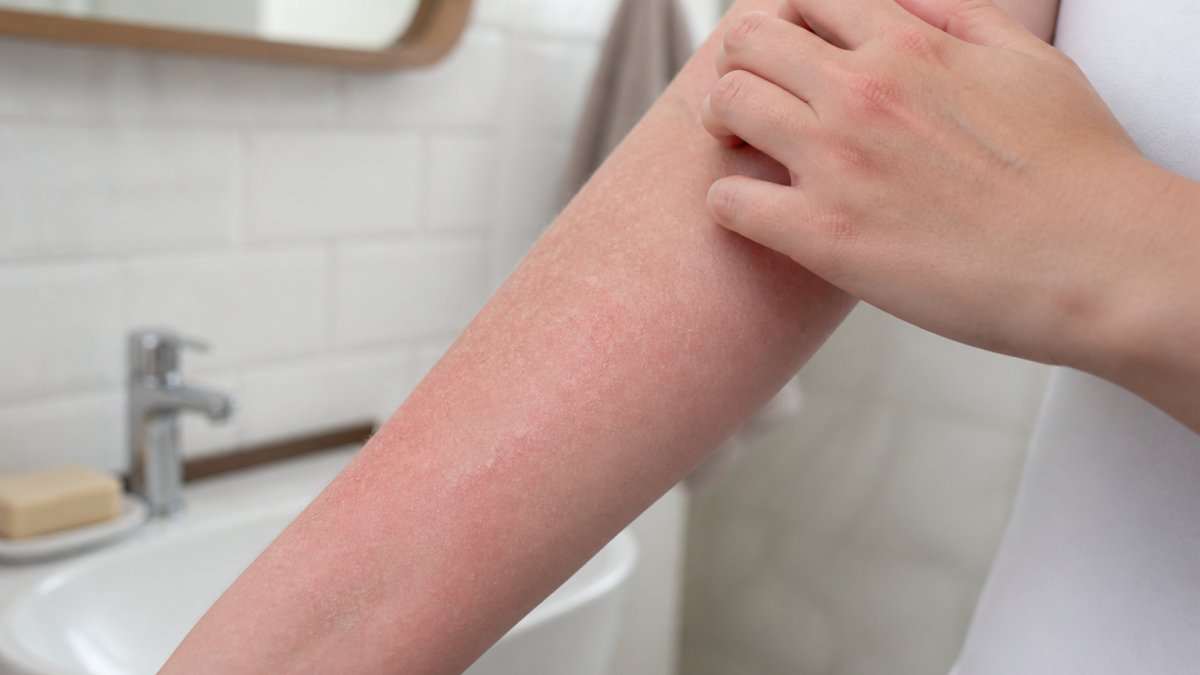
Hard water damage shows up in specific ways. The most common sign is persistent dry skin that doesn't improve with regular moisturizing.
Itching and irritation appear next. Your skin may feel uncomfortable or sensitive, especially on your face and body where you shower regularly.
Tightness is another telltale sign. Hard water strips your skin of its natural moisture. This causes visible tightness, especially around the cheeks and forehead.
If you have sensitive skin or conditions like eczema or dermatitis, hard water makes symptoms worse. The mineral residue and soap buildup trigger inflammation and irritation more easily in already-compromised skin.
Breakouts can develop too. The mineral film clogs pores and traps bacteria. This leads to acne or other skin irritation, particularly on the face and back.
How to Test Your Water Hardness at Home
Testing your water is straightforward. You don't need expensive equipment or professional help. Simple hardness test kits give you clear answers about your water quality.
Simple Hardness Test Kits and What Results Mean
Hardness test kits cost between ten and twenty dollars. They measure dissolved minerals in parts per million (PPM). You fill a small vial with tap water, add the testing solution, and compare the color change to the included chart.
Results fall into clear categories:
- Soft water: 0-60 PPM
- Slightly hard: 61-120 PPM
- Moderately hard: 121-180 PPM
- Hard: 181-250 PPM
- Very hard: 251+ PPM
Most people with skin issues experience problems when water hardness exceeds 120 PPM. If your test shows hard or very hard water, that's likely contributing to your dry skin.
Test multiple areas of your home. Water hardness can vary between different taps. Test your shower, bathroom sink, and kitchen sink to get a complete picture.
Hard Water Versus Chlorine, pH, and Other Factors
Hard water isn't the only water quality issue affecting your skin. Chlorine, pH, and other factors play a role too.
Chlorine is added to municipal water for safety. It kills bacteria and protects public health. But chlorine is harsh on skin and hair.
Water pH matters as well. Your skin naturally sits at a pH of about 4.5 to 5.5 (acidic) (pubmed.ncbi.nlm.nih.gov).
Hard water test kits measure mineral content but not chlorine or pH. If you want a complete picture, you can purchase separate test strips for chlorine and pH.
Many people find that hard water is the primary culprit, but chlorine and pH issues compound the problem. Testing all three gives you the full story about your tap water quality.
How to Get Rid of Dry Skin from Hard Water
Start with low-cost solutions before investing in equipment. Small changes to your shower routine and skincare approach often make a real difference.
Low-Cost Interventions Before Equipment Investment
The easiest fix is switching to lukewarm water. Hot water opens your pores and strips away natural oils faster.
Limit your shower time to five or ten minutes. Longer showers mean more exposure to hard water minerals and soap residue. Shorter showers reduce the total damage.
Use a gentle cleanser instead of harsh soaps. Gentle cleansers are formulated to work with hard water.
Pat your skin dry instead of rubbing. Rubbing irritates already-stressed skin. Patting is gentler and reduces inflammation.
Apply moisturizer immediately after showering, while your skin is still slightly damp. Damp skin absorbs moisturizer better than completely dry skin.
These simple changes cost nothing and often reduce dry skin noticeably within two to three weeks.
Gentle Cleansing and Moisturizing Routines
A targeted routine addresses hard water damage directly. Start with a gentle cleanser designed for hard water environments. Cleanse your face and body with lukewarm water.
2 Rivers 15 Stage Shower Filter System →
Rinse thoroughly. Hard water makes rinsing difficult, so take extra time.
Pat dry gently. Avoid rubbing your skin, which causes irritation.
Apply a hydrating moisturizer while your skin is still damp. Look for moisturizers containing ceramides and fatty acids. These ingredients repair your skin barrier and lock in moisture.
Use this routine twice daily: once in the morning and once after your evening shower. Consistency matters. Your skin barrier needs daily support to recover from hard water exposure.
For your face, consider using filtered water for the final rinse. This removes additional mineral residue and chlorine after cleansing.
| Step | Duration | Frequency |
|---|---|---|
| Gentle cleanse with lukewarm water | 2 minutes | Twice daily |
| Thorough rinse | 1 minute | Twice daily |
| Pat dry gently | 1 minute | Twice daily |
| Apply moisturizer to damp skin | 2 minutes | Twice daily |
Using a Shower Filter for Skin Health
A shower filter is the most practical next step if your skin doesn't improve with routine changes alone. Shower filters reduce chlorine, sediment, and mineral buildup without requiring whole-home installation.
The 2 Rivers 15 Stage Shower Filter System delivers multi-layer filtration that reduces chlorine and common water impurities.

The filter cartridge lasts three to six months, depending on your water quality and shower frequency. Replacement cartridges cost $25.95. This makes ongoing filtration affordable compared to whole-home systems.
Many people notice softer skin and reduced irritation within one to two weeks of using a shower filter.
A shower filter also benefits your hair and scalp. Chlorine and hard water minerals damage hair and cause dryness and brittleness. Filtered water leaves hair softer and more manageable.
Water Softener for Dry Skin: Whole-Home Solutions
If your entire household has dry skin or your skin doesn't improve with a shower filter, a whole-home water softener addresses the problem at the source.
How Reverse Osmosis and Softening Systems Work
Water softeners remove calcium and magnesium through ion exchange. The system replaces hard minerals with sodium, producing soft water throughout your home.
Reverse osmosis systems take a different approach. They force water through a semi-permeable membrane, removing dissolved solids, minerals, chlorine, and other contaminants. The result is ultra-pure water with minimal mineral content.
The 2 Rivers Reverse Osmosis Water Filtration System delivers 1,000 gallons per day of ultra-pure water.

Reverse osmosis removes more contaminants than traditional softeners. If you want the highest purity, this is the most effective option. The filtration cartridges last one to two years, making long-term costs reasonable.
Both systems improve skin health by eliminating hard water minerals and chlorine. The choice depends on your budget and how severe your water quality issues are.
Trade-Offs and Maintenance Considerations
Water softeners add sodium to your water. If you have high blood pressure or need to limit sodium intake, this is a concern.
Both systems require maintenance. Water softeners need salt refills every few months. Reverse osmosis systems need cartridge replacements annually. Factor these ongoing costs into your decision.
Softeners take up space and require installation near your water main. Reverse osmosis systems are more compact but still need under-sink space. Consider your home's layout and available space before purchasing.
Softened water feels different than hard water. Some people find it feels slippery or notice a change in how soap behaves. This adjustment period typically lasts one to two weeks.
Hard water mineral removal means you lose some minerals from your drinking water.
When to See a Dermatologist
Persistent dry skin lasting more than four weeks despite routine changes and water treatment deserves professional evaluation. A dermatologist can determine whether hard water is truly the culprit or whether another condition is responsible.
Skin conditions like eczema, dermatitis, or psoriasis cause similar symptoms to hard water damage. These conditions require specific treatment that water changes alone won't address.
See a dermatologist if you develop:
- Severe rashes or widespread irritation
- Blistering or weeping skin
- Skin that doesn't improve after two weeks of gentle care and moisturizing
- Itching so intense it disrupts sleep or daily activities
- Signs of infection, such as warmth, pus, or spreading redness
A dermatologist can perform allergy testing if you suspect your cleanser or moisturizer is causing problems. They can also prescribe targeted treatments if an underlying condition is present.
Don't assume all dry skin comes from hard water. Professional evaluation rules out other causes and ensures you're addressing the actual problem.
Hard water contributes to dry skin in many households, but identifying it as your specific cause requires testing and observation. If testing shows hard water and your skin doesn't improve with routine changes, a shower filter like the 2 Rivers 15 Stage Shower Filter System offers affordable relief.

Frequently Asked Questions
How can I tell if my tap water is hard?
Hard water leaves visible signs: soap scum on shower walls, spots on dishes after washing, and reduced lather from soap or shampoo. You can confirm hardness with an inexpensive test kit from a hardware store, which measures calcium and magnesium levels in parts per million (ppm). Levels above 60 ppm are generally considered hard. Your local water utility also publishes a water quality report showing hardness levels in your area.
Can hard water actually cause dry skin, or is it something else?
Hard water contributes to skin dryness, but it's rarely the sole cause. Mineral residue from calcium and magnesium interferes with soap rinsing, leaving a film that traps moisture loss. Chlorine in tap water, low humidity, hot showers, and harsh cleansers also cause dryness. If your skin improved after traveling or using filtered water, hard water is likely a factor. If dryness persists despite water changes, see a dermatologist to rule out eczema, dermatitis, or other conditions.
Will a shower filter actually help with dry skin from hard water?
A shower filter reduces chlorine and sediment, making water feel softer and easier to rinse. The 2 Rivers 15 Stage Shower Filter System, for example, targets chlorine and impurities that worsen dryness. However, shower filters don't remove all minerals that cause hardness. For significant improvement, combine a shower filter with lukewarm water, gentle cleansers, and immediate moisturizing after showering. Results typically appear within 2-4 weeks.
Is a water softener or reverse osmosis system worth the cost for dry skin?
A whole-home solution makes sense if multiple family members have skin or hair problems, or if you notice scale buildup on fixtures. Reverse osmosis systems like the 2 Rivers RO unit remove dissolved minerals completely, delivering the purest water for drinking and cooking. Water softeners replace minerals with sodium, which some people prefer for skin but requires ongoing salt refills. Start with a shower filter (around $38-$40) and moisturizing adjustments before committing to a $900+ system.