



How to Choose an Electrolyte Powder Without Artificial Sweeteners

Last Updated: November 12, 2026
Quick Summary
To choose an electrolyte powder without artificial sweeteners, read the ingredient list and screen out sucralose, acesulfame potassium, aspartame, sugar alcohols like erythritol, and stevia if you want it truly unsweetened. Then confirm a fully disclosed mineral panel in milligrams, no artificial dyes, and third-party testing before you buy.
- Sugar-free describes sugar content, while unsweetened means no sweetener of any kind is present.
- Compare products by milligrams of sodium per serving and per liter of water mixed, not per scoop.
- Packets often cost more per serving than scoops from a tub and may carry different sweeteners.
- Truly unsweetened powders taste like mineral water with a salty edge, so adjust your expectations.
- Nourishing World offers free shipping on orders over $45 and staff trained on the products it stocks.
Table of Contents
- Start With the Ingredient Label, Not the Front of the Tub
- How to Find an Electrolyte Powder Without Artificial Sweetener or Stevia
- The Best Electrolytes Without Sugar or Artificial Sweeteners: What Actually Qualifies
- Matching Sodium, Potassium, and Magnesium to Your Actual Needs
- The Best Electrolyte Powder for Everyday Use Versus Hard Training
- Electrolyte Packets No Sugar: What to Check Before You Buy a Box
- Taste, Mixability, and What Truly Unsweetened Powders Are Like
- Build Your Clean-Label Hydration Routine With Nourishing World
- Frequently Asked Questions
Start With the Ingredient Label, Not the Front of the Tub
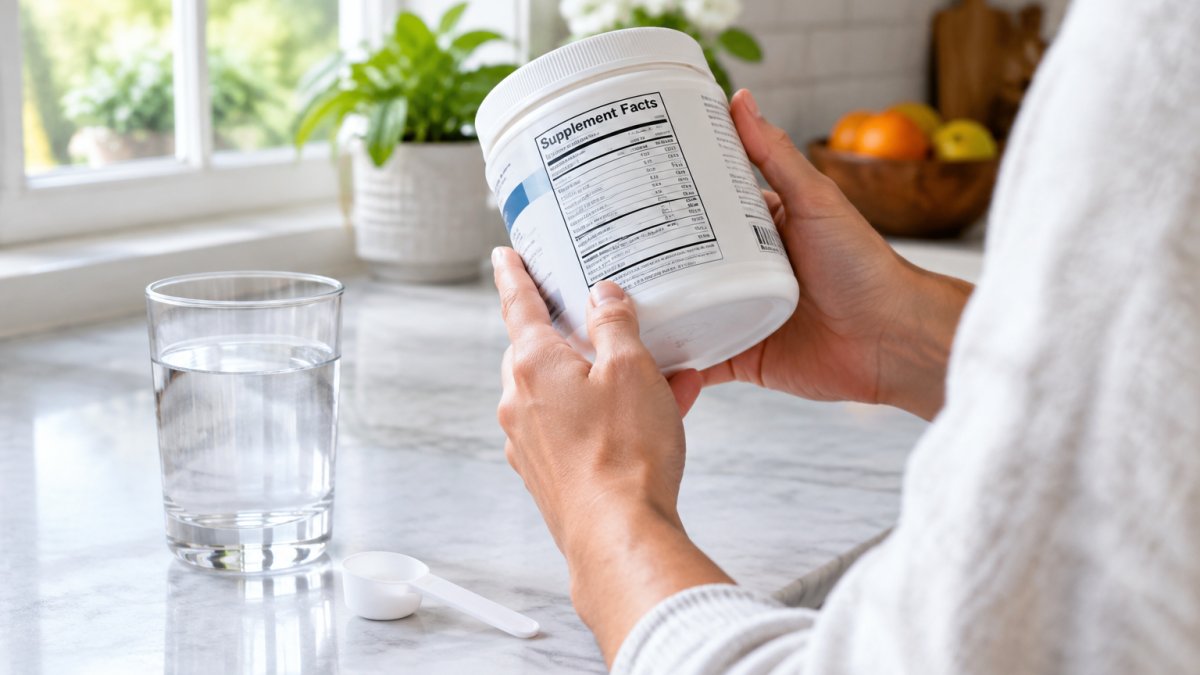
The front of an electrolyte tub sells a feeling. The back tells you what you are actually drinking. If you want to know how to choose an electrolyte powder without artificial sweeteners, flip the container over before you read another word of marketing copy.
This guide from Nourishing World walks through the label, the sweetener categories, and the mineral math so you can decide in minutes instead of squinting at a supplement facts panel in an aisle. Below, we show you exactly what to look for, what to skip, and which claims mean nothing.
The stakes are higher than most shoppers realize.
The Three Sweetener Categories You Need to Tell Apart
Most confusion comes from lumping every non-sugar sweetener into one bucket. They are not the same thing.
- Artificial sweeteners: sucralose, acesulfame potassium, aspartame. Zero calories, synthetic origin.
- Sugar alcohols: erythritol, xylitol, maltitol. Low calorie, technically a carbohydrate, can cause digestive upset in larger amounts.
- Non-artificial alternatives: stevia leaf extract, monk fruit extract, and in some products small amounts of real sugar or coconut sugar.
A 2025 review indexed by PubMed Central on sweeteners and their health effects covers artificial and natural sweeteners side by side, including polyols and plant-derived options, which is a useful reminder that "natural" is a category, not a guarantee.
A Step-by-Step Label Checklist
Run this list every time you pick up a tub:
- Scan the ingredient list for sucralose, acesulfame potassium, aspartame
- Check for sugar alcohols: erythritol, xylitol, maltitol
- Identify the sweetener source: stevia leaf, monk fruit, sugar, or none
- Confirm no artificial dyes (Red 40, Yellow 5, Blue 1)
- Confirm no proprietary blends hiding mineral amounts
- Note sodium, potassium, and magnesium in milligrams per serving
- Check the serving size: one scoop or two?
- Look for third-party testing or a certificate of analysis
For a broader walkthrough of clean-label criteria across supplement categories, our guide to the best clean label supplements covers the same screening logic in more depth.
How to Find an Electrolyte Powder Without Artificial Sweetener or Stevia
Finding an electrolyte powder without artificial sweetener or stevia means reading for the absence of three things: synthetic sweeteners, sugar alcohols, and stevia leaf or its extracts. Plenty of products advertise "no artificial sweeteners" and then load the formula with stevia and erythritol, which is technically accurate and practically unhelpful.
A 2026 buying guide from Saltivate's electrolyte powder buying guide advises clean-label shoppers to screen for no artificial sweeteners, no dyes, and no proprietary blends, and to decide up front whether stevia leaf or Reb M is acceptable. That last step matters.
Here is the distinction most shoppers miss: sugar-free describes the sugar content. Unsweetened describes the absence of any sweetener at all. A product can be sugar-free and still taste sweet because of stevia, monk fruit, or a sugar alcohol.
Verve's comparison of nine UK electrolyte powders explicitly evaluates sweetener type alongside sodium, potassium, magnesium, and testing, per Verve's electrolyte powder comparison. That is the right instinct. Sweetener choice belongs in the same column as mineral content, not buried in a footnote.
The Best Electrolytes Without Sugar or Artificial Sweeteners: What Actually Qualifies
The best electrolytes without sugar or artificial sweeteners meet four criteria: no synthetic sweeteners, no sugar alcohols, no added sugar, and a fully disclosed mineral panel. Taste is secondary. A powder that tastes like salty water but lists every milligram honestly beats a candy-flavored mix with a proprietary blend.
Garage Gym Reviews scored Transparent Labs Hydrate 4.8 out of 5 and named it the best overall sugar-free electrolyte powder in its Garage Gym Reviews electrolyte powder testing. Worth noting: sugar-free is the claim being tested there, not the absence of artificial sweeteners, so read the panel yourself before assuming.
What separates a qualifying product from a near-miss:
| Criterion | Qualifies | Does Not Qualify |
|---|---|---|
| Sweetener | None, or monk fruit | Sucralose, stevia, erythritol |
| Added sugar | 0 g | Cane sugar, dextrose, coconut sugar |
| Mineral panel | Full mg disclosure | Proprietary blend |
| Dyes and flavors | None, or natural flavors | Artificial colors or flavors |
| Testing | Third-party COA available | No testing information |
Matching Sodium, Potassium, and Magnesium to Your Actual Needs
Electrolyte amounts should match your sweat loss, not a marketing headline. A desk worker and a cyclist training in heat need very different sodium loads, and most tubs use one formula for both. The practical skill is reading the supplement facts panel and translating milligrams into a decision.
Start with sodium, because it is the electrolyte you lose most in sweat and the one most likely to be under-dosed in a "hydration" product. Sodium is the electrolyte you lose most in sweat.
Here is how to compare products by need rather than by label claim:
- Light activity and everyday hydration: Look for a product with modest sodium, roughly in the range of a few hundred milligrams per serving, and a balanced potassium and magnesium contribution. The goal is replacement without a salt bomb.
- Prolonged exercise, heat, or heavy sweating: Sodium needs climb. Compare products by milligrams of sodium per serving and per liter of water mixed, not per scoop, because scoop sizes vary. A formula that looks strong per scoop may be weak once diluted to the volume you actually drink.
- Clinician-directed use: If a doctor has told you to increase or restrict sodium, potassium, or magnesium, bring the supplement facts panel to that conversation. Do not self-adjust based on a tub's front label.
A common pattern is that flavored tubs list sodium prominently while burying potassium and magnesium in a proprietary blend. If the panel says "blend" instead of milligrams, you cannot compare it to anything, which is reason enough to skip it.
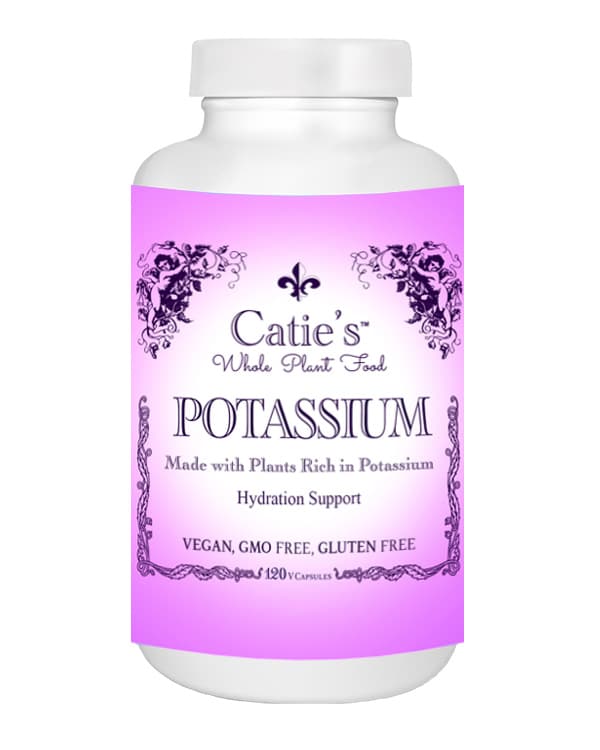
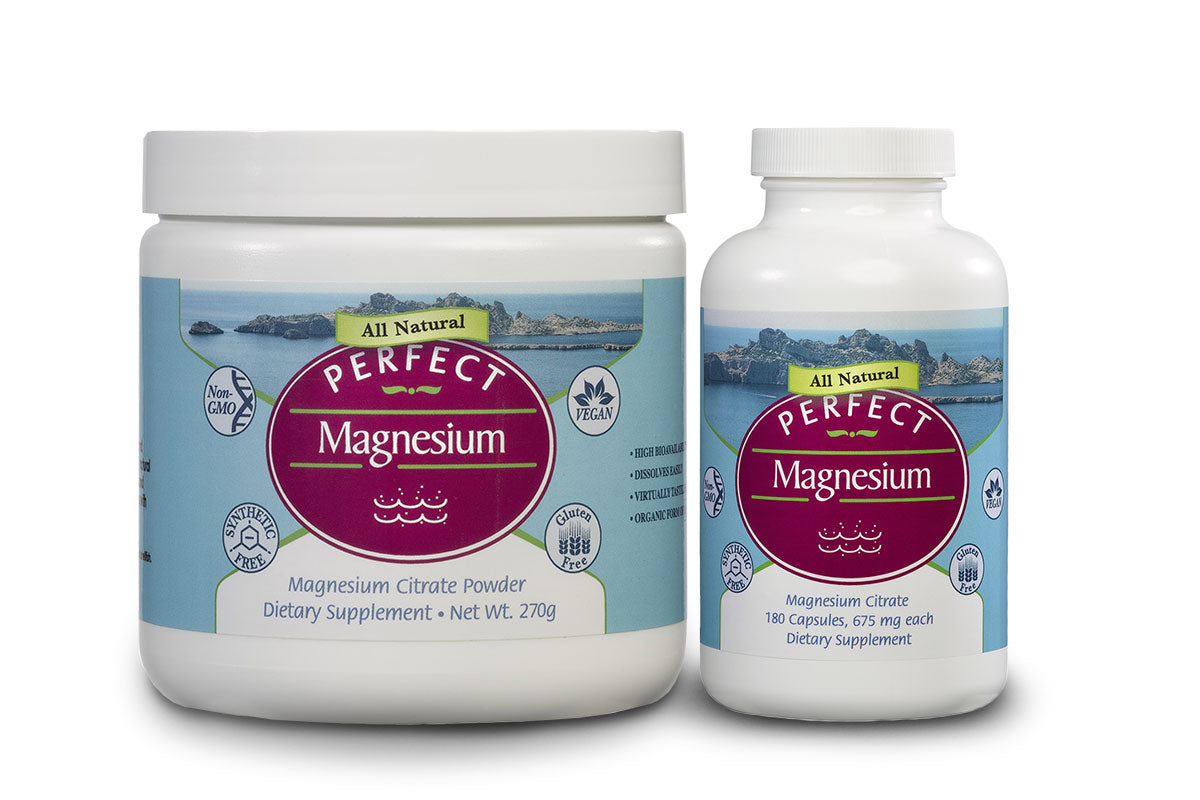
At Nourishing World, we stock whole-food mineral options for people who want their potassium and magnesium from plant sources rather than isolated salts. Catie's Whole Plant Food Potassium is a plant-based formula built around organic vegetables and greens, and Catie's Whole Plant Food Magnesium follows the same whole-food approach. Readers comparing magnesium formats may also want to look at Perfect Magnesium before deciding.
Watch out: if you take blood pressure medication, have kidney disease, or have been told to watch potassium, talk to your doctor before adding a potassium supplement to your routine.
The Best Electrolyte Powder for Everyday Use Versus Hard Training
The best electrolyte powder for everyday use is a low-sodium, lightly sweetened or unsweetened formula you will actually drink daily. The best for hard training is a higher-sodium mix with enough volume to replace what you lose in an hour of sweating.
Everyday use means sipping through a workday, so taste fatigue is the real enemy. A bland, unsweetened powder you can add to water or tea without thinking beats a strong flavored mix you get bored of by Thursday.
Training use changes the math. Long rides, hot yoga, and outdoor work in summer push sodium losses up, and a low-sodium formula will not cover it. Pick based on your heaviest regular session, not your easiest one.
Electrolyte Packets No Sugar: What to Check Before You Buy a Box
Electrolyte packets with no sugar are convenient, but single-serve format hides a few traps. Before you commit to a box, check the per-packet mineral amounts against the tub version, because they often differ.
Three things to verify:
- Cost per serving. Packets routinely cost more per serving than scoops from a tub.
- Packet size and water ratio. Some are formulated for 500 ml, some for a full liter. Getting this wrong makes the taste too weak or too salty.
- Ingredient list consistency. A flavored packet line often carries sweeteners the unflavored tub does not.
Portability is the genuine advantage. A box in a gym bag or desk drawer removes the friction that kills daily hydration habits.
Taste, Mixability, and What Truly Unsweetened Powders Are Like
Truly unsweetened electrolyte powders taste like mineral water with a salty edge. There is no way around it. If you are coming from a sweetened mix, expect the first few glasses to taste flat or briny.
Mixability varies more than brands admit. Magnesium and potassium salts tend to settle, so stir or shake again halfway through the glass.
The practical move is to treat unsweetened powder as a base rather than a finished drink. Add a squeeze of lemon or lime, a splash of juice, or a pinch of monk fruit if you want sweetness without stevia.
Dilution is the other lever. If a serving tastes too salty, mix it into more water than the label suggests and spread it across the day. If it tastes too weak, use less water.
Watch out: do not mask a poorly dissolving powder with juice and assume it is fine.
Build Your Clean-Label Hydration Routine With Nourishing World
Building a clean-label hydration routine comes down to three decisions: pick your sweetener stance, match your minerals to your sweat loss, and buy from a seller who can answer questions about what is in the tub.
That last point is where most supplement shopping goes wrong. At Nourishing World, products are carefully selected for clean labels, pure ingredients, and sustainable and ethical business practices, and our staff are trained on the products we stock so you can ask before you buy.
Before you purchase anywhere, verify business longevity, check the return policy, and check the shipping practices.
If you are building a recovery routine around hydration, our guide on how to use magnesium flakes daily for better sleep and recovery pairs well with a clean electrolyte powder.
The hardest part of choosing an electrolyte powder is not finding one. It is slowing down long enough to read the panel before the front of the tub sells you.
Frequently Asked Questions
How can I tell whether an electrolyte powder contains artificial sweeteners?
Turn the tub over and read the ingredient list, not the front label. Artificial sweeteners appear as sucralose, acesulfame potassium (ace-K), aspartame, saccharin, or advantame. Clean-label shoppers should screen for no artificial sweeteners, no dyes, and no proprietary blends. If a front label says sugar-free, check the ingredients anyway, because sugar-free describes sugar content, not sweetener choice.
Are there electrolyte powders without sugar or stevia?
Yes. Some products are genuinely unsweetened and contain only mineral salts plus natural flavors or nothing at all. Others use monk fruit instead of stevia. The only reliable check is the ingredient list. Look for a short list: sodium, potassium, magnesium, chloride, and citric acid or natural flavor. Anything beyond that deserves a second look.
What ingredients should I avoid in electrolyte powder?
Watch for artificial sweeteners (sucralose, ace-K, aspartame), artificial colors and dyes, proprietary blends that hide individual mineral amounts, and added sugar or dextrose in products marketed as sugar-free. Sugar alcohols like erythritol and maltitol are worth noting if you react to them. Prioritize labels that list each mineral with a specific milligram amount.
Is it safe to drink electrolytes every day?
Daily use depends on your sodium intake from food, kidney health, blood pressure, and how much you sweat. Sodium content per serving varies by product, which matters if you already eat a high-sodium diet or have been told to restrict salt. Ask your doctor before daily use if you have hypertension, kidney disease, or take diuretics. For most healthy adults, everyday use is reasonable when the dose matches your activity level.
