



Are Expensive Vitamins Worth It? What the Evidence Shows

Last Updated: November 22, 2026
Quick Summary
Expensive vitamins are not automatically better. Price reflects marketing as much as quality, and large trials show little overall benefit from multivitamins for most healthy adults. A higher price is worth paying only when it buys better absorption, verified purity or more effective doses.
- Compare the nutrient dose per serving, not the length of the ingredient list.
- Check which certification appears on the label and verify it for the specific product and lot.
- Calculate cost per effective daily dose, not cost per capsule.
- A certified product can be a waste of money if you already get enough of that nutrient from food.
Table of Contents
- Why Price Is a Poor Guide to Vitamin Quality
- What the Research Says About Multivitamins and Health Outcomes
- How to Read Supplement Labels Without Being Misled
- Third-Party Testing and What Certifications Actually Guarantee
- Bioavailability: Why the Form of a Vitamin Can Matter More Than Its Price
- Clean Label Standards and How to Check Them
- Working Out Cost Per Dose and Choosing What Fits Your Needs
- Frequently Asked Questions
Why Price Is a Poor Guide to Vitamin Quality
Price tells you what a company charges, not what is in the bottle. A higher price can reflect better sourcing, third-party testing or premium packaging, but it can also reflect a famous name, a glossy label or simply a bigger marketing budget. Nourishing World takes a different approach to the question: we select products for clean labels, pure ingredients and sustainable, ethical manufacturing practices, because those are the things that actually separate one supplement from another.
At Nourishing World, our staff are fully trained on the products they stock and sell. Still, a premium price does not automatically mean a premium supplement.
Many shoppers assume the expensive option must be the better one, but expensive vitamins are not automatically superior. In practice, the cheapest product and the most expensive one can contain the same nutrient at the same dose, and the difference lies in ingredient quality, manufacturing practices and whether the claims on the label can be verified. That is why this guide focuses on evidence and verification rather than price tags.
What the Research Says About Multivitamins and Health Outcomes
The strongest evidence on multivitamins comes from large randomized trials, and it is less encouraging than the marketing suggests. To see a whole-food multivitamin made from freeze-dried organs, browse Perfect Multi-Organs. A separate review published in PMC in 2012 reached a similar conclusion, finding no overall benefit from multivitamin and mineral supplements for most of the population (Vitamin and Mineral Supplements: Do We Really Need Them?).
Northwestern Medicine's 2022 coverage of the same body of research puts it bluntly: there is insufficient evidence that vitamins prevent cardiovascular disease or cancer for most non-pregnant people (Northwestern Medicine on vitamin supplements). For most healthy adults, that means a expensive multivitamin is unlikely to deliver a benefit that a cheaper one would not.
There is a counterpoint worth taking seriously. Harvard Health Publishing notes that some experts see multivitamins as a low-cost, low-risk way to cover nutritional gaps, even without clear proof of health benefit (Harvard Health Publishing on multivitamins). The honest reading is that supplements may help people who are genuinely deficient, while offering little for people who already eat a varied diet.
How to Read Supplement Labels Without Being Misled
A supplement label is a set of promises, and reading it well means checking each one. The three things to look at first are the active ingredients, the serving size and the nutrient dose per serving.
Active ingredients, serving size and nutrient dose
The Supplement Facts panel lists the active ingredients and the amount per serving. Compare the figure for the nutrient you actually need, not the length of the ingredient list. A product that lists many ingredients at tiny doses can deliver less of the key nutrient than a simpler formula. Serving size matters too: a bottle that looks cheap may need four capsules a day to match a single-capsule product.
Marketing claims versus verified facts
Words like "premium," "pure" and "clinically proven" are marketing, not measurement. Ask what each claim is based on. A certification is verifiable; a vague adjective is not. When a claim cannot be traced to a test or a named standard, treat it as unverified.
Third-Party Testing and What Certifications Actually Guarantee
Third-party testing means an independent laboratory checks whether a product contains what its label says, in the amount stated, and without contaminants such as heavy metals. For a step-by-step guide to choosing third-party tested vitamins, see how to choose third-party tested vitamins. That is a useful check on quality and purity. It is not evidence that the supplement improves your health. A product can pass every purity test and still provide no clinical benefit for your situation.
The practical problem is that "third-party tested" is an unregulated phrase. Anyone can print it. What matters is which certification appears on the label and what that certification actually verifies.
| Certification | What it typically verifies | What it does not verify |
|---|---|---|
| USP Verified | Identity, potency, purity, and manufacturing according to USP monographs; also reviews manufacturing facilities | That the supplement treats or prevents any disease |
| NSF Certified for Sport | Identity, purity, and potency, plus screening for substances banned by major sports organizations | General health benefits or clinical effectiveness |
| Informed Choice / Informed Sport | Batch-level testing for banned substances and contaminants, with a certificate per lot | Nutrient dose accuracy beyond the tested batch |
| ConsumerLab.com | Independent product review and testing for identity, potency, and contamination | That the product is necessary for your diet |
A common pattern is that a product carries a certification mark but the mark covers only one batch or one facility, not every bottle sold. Before trusting a seal, check the certifier's website for the specific product and lot number. If the seal cannot be verified there, treat it as marketing.
Watch out: a certification confirms that a product is what it says it is, not that you need it. A certified product can still be a waste of money if you already get enough of that nutrient from food.
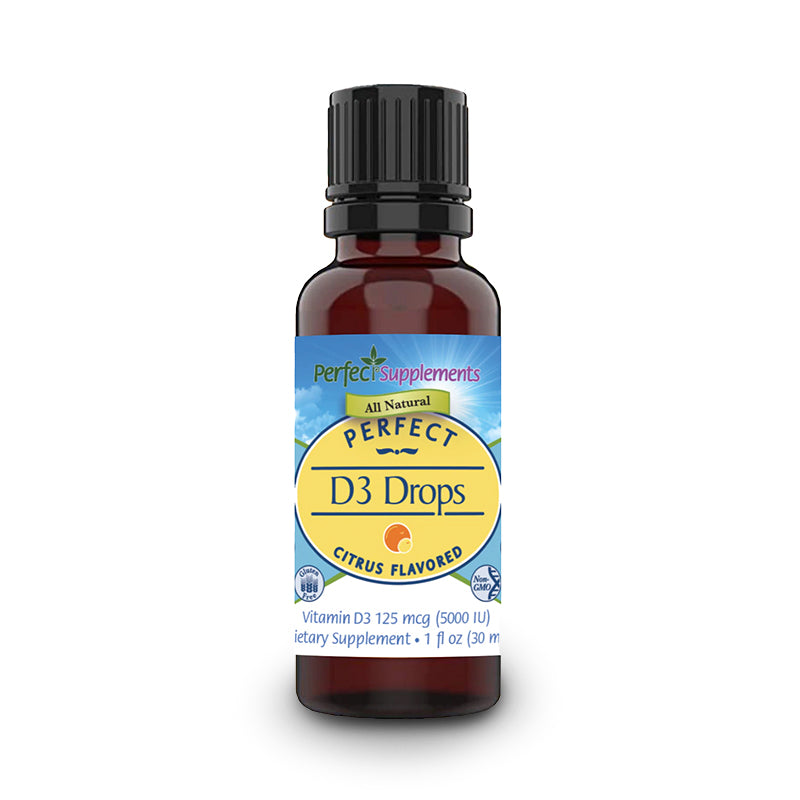
Nourishing World's Perfect D3 Drops are third-party tested and free of GMOs, glyphosate, heavy metals, gluten and allergens, which is the kind of specific, checkable claim you should look for when comparing brands. The Perfect D3 Drops, for example, contain vitamin D3 suspended in organic MCT oil with no fillers or artificial flavors (Perfect D3 Drops | nourishingworld.com/products/perfect-d3-drops). For a fuller explanation of how to judge these claims, see our guide on how to verify supplement purity yourself at home.
Bioavailability: Why the Form of a Vitamin Can Matter More Than Its Price
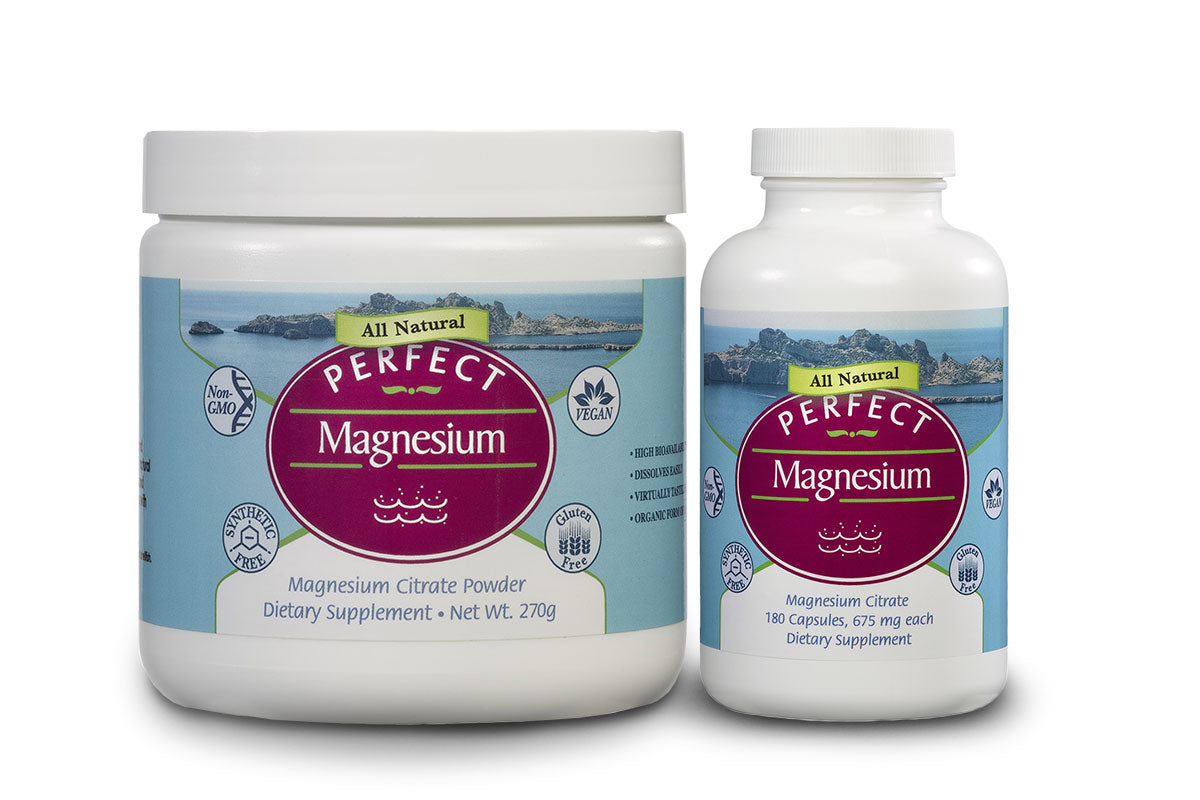
Bioavailability is the share of a nutrient your body actually absorbs and uses. Two products can contain the same milligrams of a nutrient and still differ in how much reaches your bloodstream, depending on the chemical form. Nourishing World's Perfect Magnesium uses the magnesium citrate form (Perfect Magnesium | nourishingworld.com/products/perfect-magnesium).
Form is a better guide to value than price. A cheaper product in a poorly absorbed form may cost you more in practice than a moderately priced product in a well-absorbed one. Check the form on the label before comparing prices.
Clean Label Standards and How to Check Them
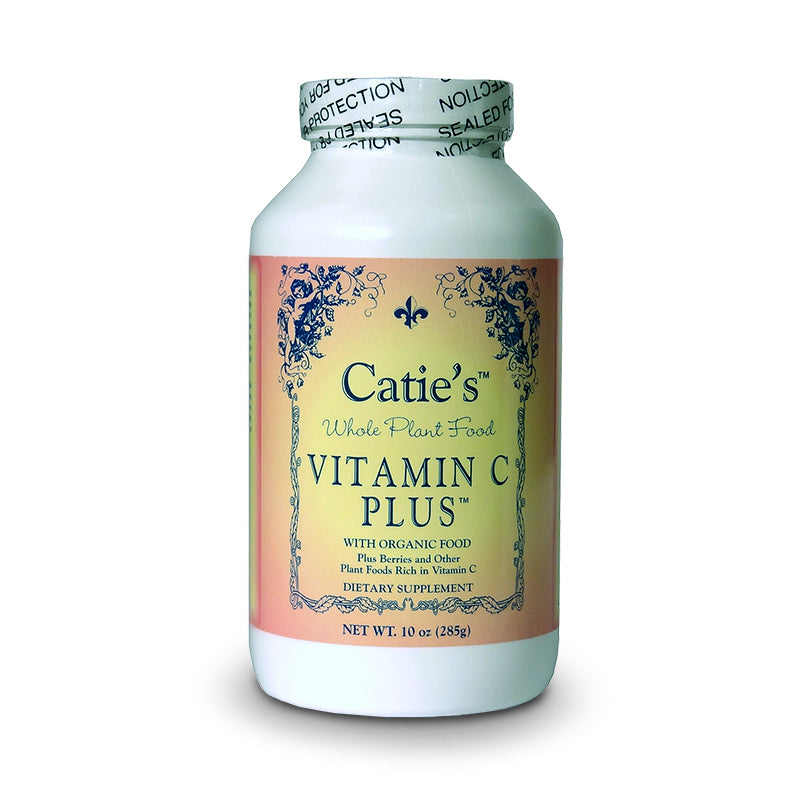
A clean label means the product contains only what it needs: the active nutrient, a suitable carrier and no unnecessary fillers, flow agents or artificial additives. Nourishing World's Catie's Whole Plant Food Vitamin C Plus, for example, is mostly organic and free of chemicals and preservatives (Catie's Whole Plant Food Vitamin C Plus | nourishingworld.com/products/caties-whole-plant-food-vitamin-c-plus).
To check a clean label yourself, read the full ingredient list, look for named certifications such as organic or third-party testing, and confirm that any "non-GMO" or "gluten-free" claim is stated specifically. You can find a current comparison of clean options in our best clean label supplements for 2026 roundup.
Working Out Cost Per Dose and Choosing What Fits Your Needs
Cost per dose is the number that matters, but most shoppers calculate it wrong. The mistake is dividing the bottle price by the number of capsules rather than by the number of effective doses. A bottle that looks cheap per capsule can be expensive per day if the label tells you to take four capsules to reach a clinically relevant amount.
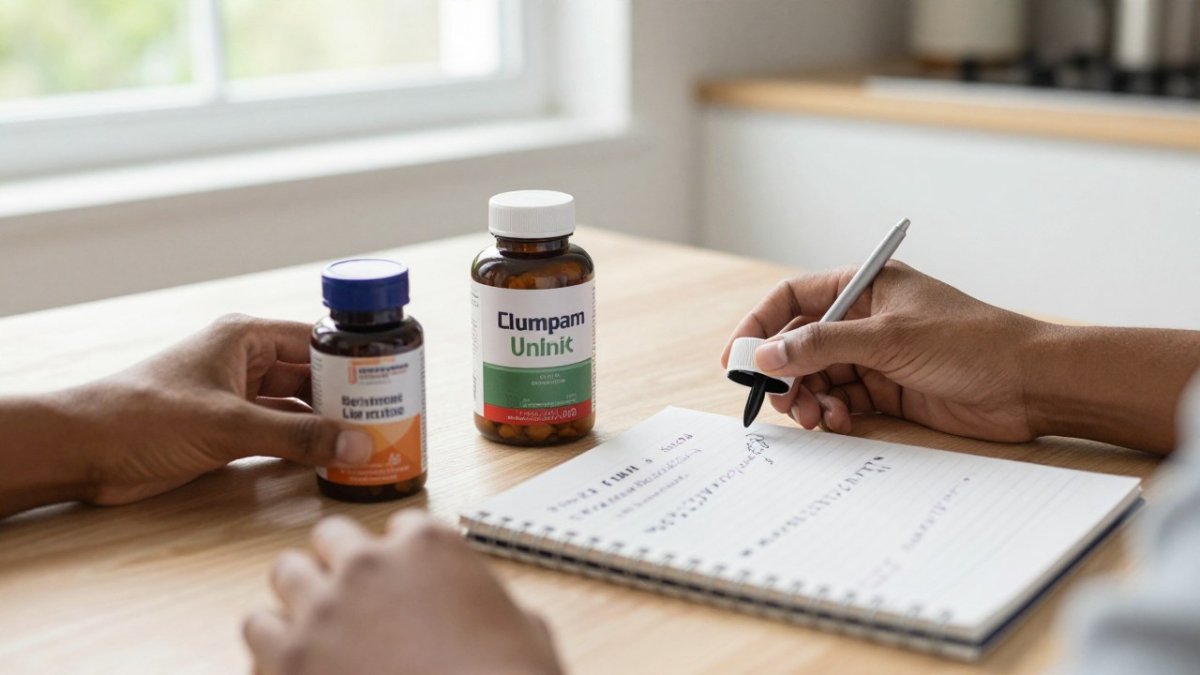
Here is a practical way to compare two products without naming brands. Take any two bottles of the same nutrient and write down four numbers from each label: the price, the number of servings per container, the amount of the key nutrient per serving, and the number of servings needed to reach a target dose. Then calculate cost per target dose.
For example, suppose Product A costs 20 and contains 60 servings at 500 mg per serving. Product B costs 30 and contains 120 servings at 1,000 mg per serving. If your target is 1,000 mg per day, Product A requires two servings per day, so one bottle lasts 30 days and costs about 0.67 per day. Product B requires one serving per day, so one bottle lasts 120 days and costs about 0.25 per day. Product B is the better value even though its sticker price is higher.
That calculation changes the answer to whether expensive vitamins are worth it. A higher price is worth paying when it buys more effective doses, a better-absorbed form, or verified purity. It is not worth paying when it buys a larger bottle of a poorly absorbed form or a label with unverifiable claims.
A second calculation is monthly cost over time. Multiply the cost per day by 30. A supplement that costs 0.25 per day costs about 7.50 per month; one that costs 0.67 per day costs about 20 per month. Over a year, the difference is roughly 150. That is the number to compare against the expected benefit, not the shelf price.
For most people, the sensible path is to identify a genuine gap before spending anything. Nourishing World's Perfect D3 Drops offer 177 servings per bottle at 1,000 IU per drop, which makes the cost per dose straightforward to calculate. If you are weighing a whole-food multivitamin, browse the full supplements range to compare what is available at different price points.
Frequently Asked Questions
Are expensive vitamins actually better?
Not necessarily. A higher price does not reliably indicate higher quality, . The better test is what the label shows: the active ingredients, the nutrient dose per serving, the form used, and whether an independent lab has verified the contents. Compare those details across products before assuming a premium price reflects a real difference.
Do vitamins work or are they a waste of money?
The evidence is mixed and depends on who is taking them. Supplements can still be useful where a diagnosed deficiency exists, so testing and clinician advice are the sensible starting point.
How can you tell if a supplement is third-party tested?
Look for a named independent testing or certification body on the packaging or website, then check that the certification covers the specific product, not just the brand. Third-party testing typically verifies that the label matches the contents and screens for contaminants, but it does not prove a product improves health. Ask the manufacturer for the certificate of analysis for the batch if the information is not publicly listed.
Does it really matter what brand of vitamins you buy?
Brand matters less than ingredients, dose, form and verification. Two products with the same active nutrient at the same dose can differ in price mainly because of packaging, marketing or distribution. At Nourishing World, we select products for clean labels and pure ingredients, and our staff are trained on the products they stock, so customers can ask direct questions about formulation before buying.
